
Katálysis official logoLCTECH — a Velaris brand
Analytical capacity • routine planning

The right preparation for
your analytical capacity.

Plan the preparation needed for your analytical capacity, with standardized tasks, documentation and clearly estimated operator time.

DEXTech Heat / PureD-EVA under vacuum1 to 4 GC-MS instrumentsNo registration required

Simulation from available extract to instrumental acquisition. Includes queues, breaks, configurable controls and column sets. It is not method validation or an analytical certificate.
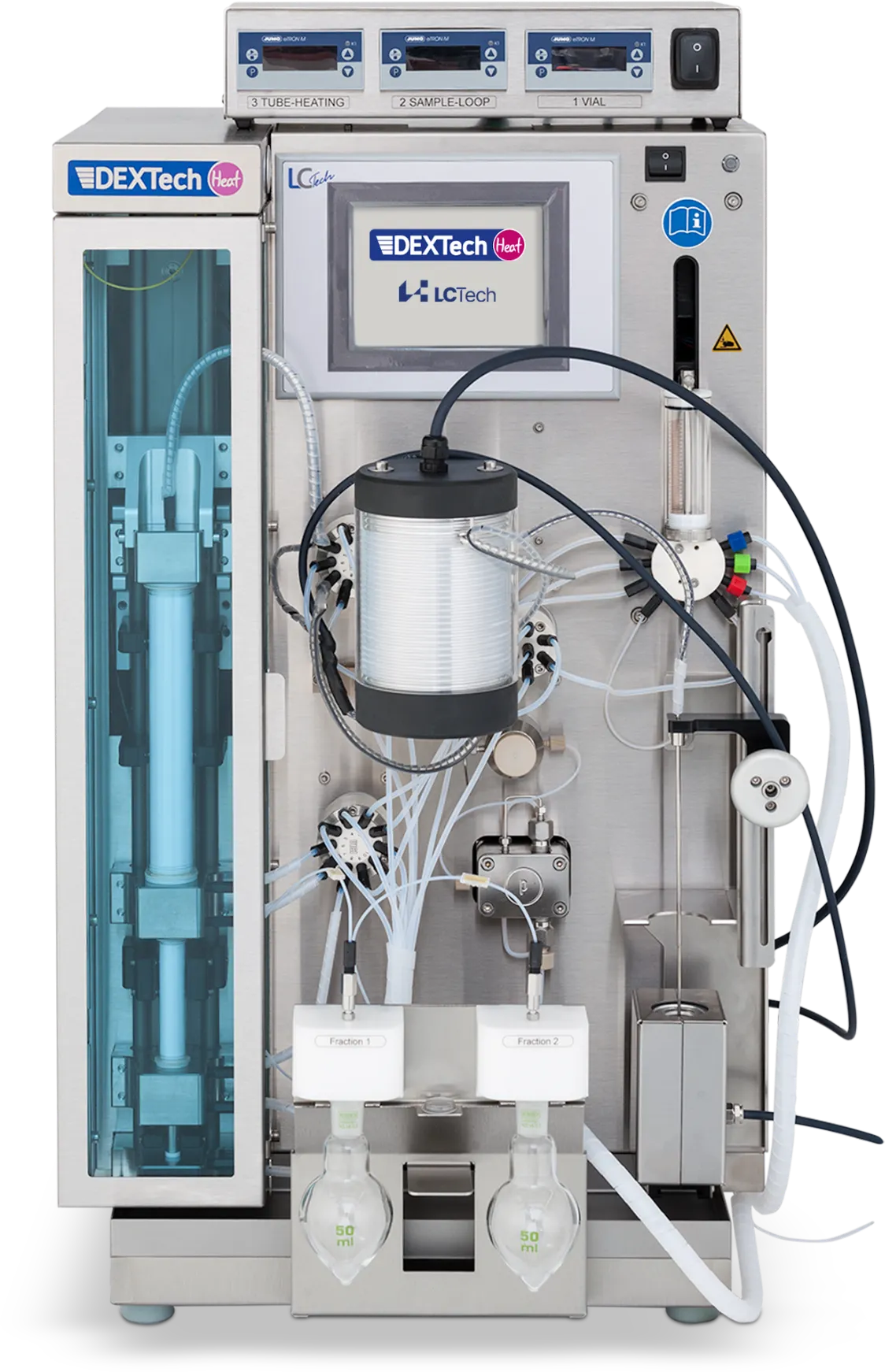
DEXTech Heat original
DEXTech Heat
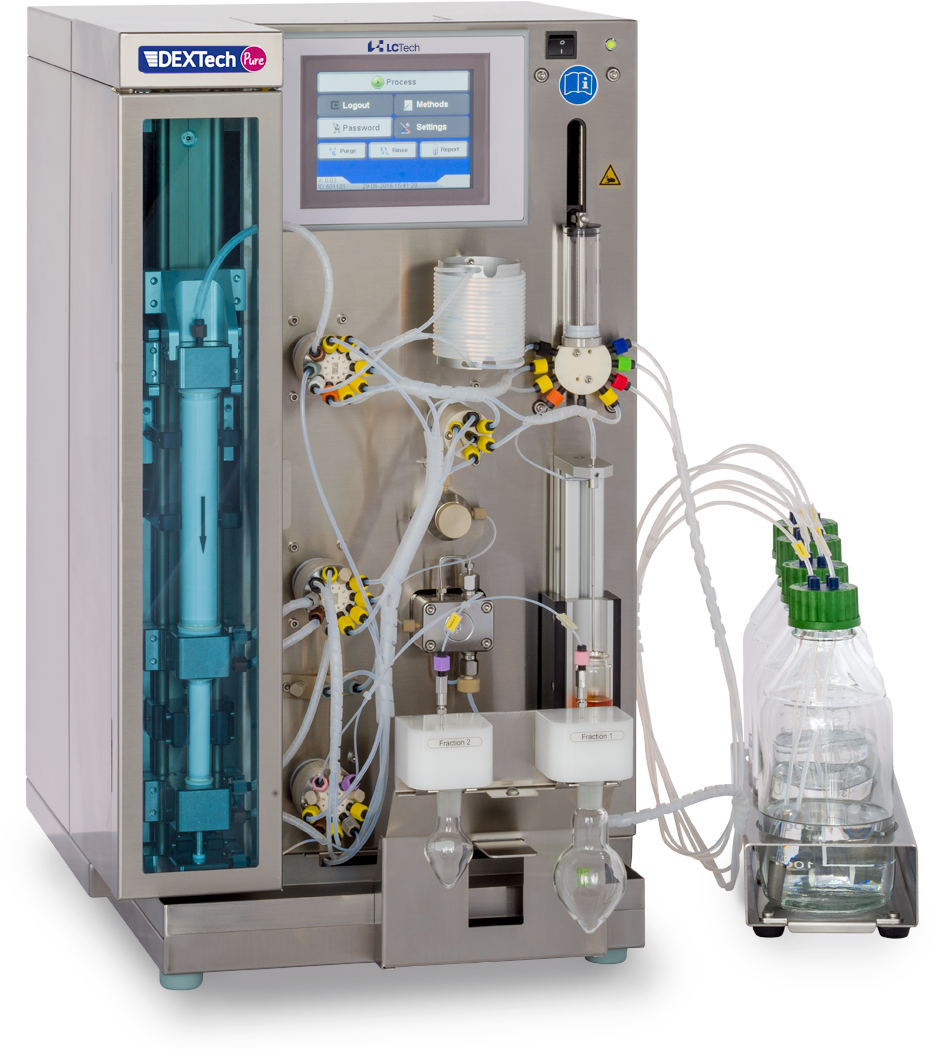
DEXTech Pure original
DEXTech Pure
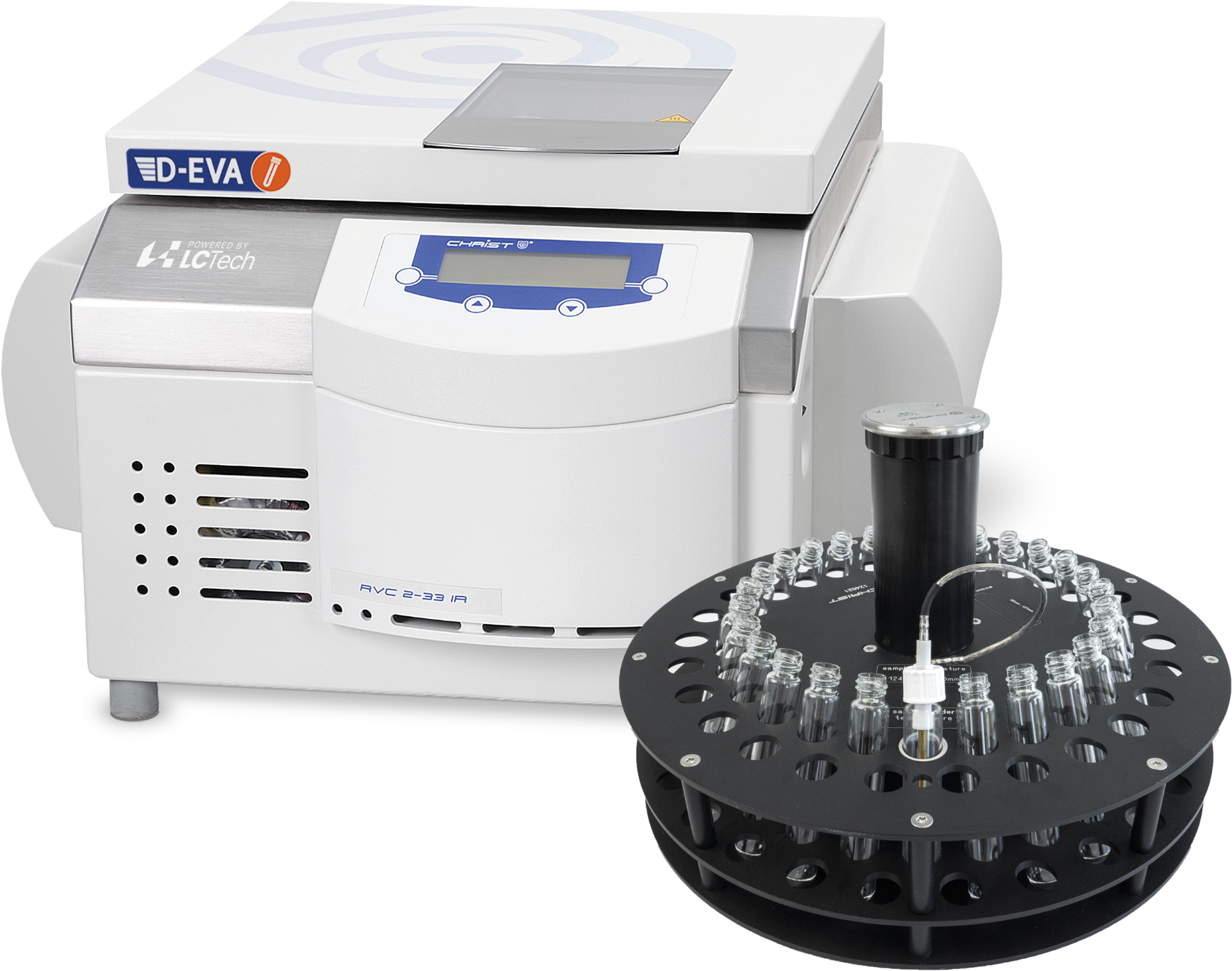
D-EVA with original rotor
D-EVA
Simulate your routine, check the assumptions and print your configuration. Your data stays in this browser until you choose to contact us.
700 over four routine weeks; see the report for the initial startup difference.
1 Scope, matrix and demand
2 Your GC-MS instruments and the full injection cycle
Enter the time from the start of one injection to the start of the next. Cooling or washes already included in the cycle will not be counted twice.
All entered GC-MS instruments are assumed compatible with the selected fractions. Dedicated instruments and column or method changes require additional technical assessment.
3 Clean-up on DEXTech Heat / Pure
Ready-to-use columns with automated conditioning and rinsing. Active work does not include column packing. Washing of reusable glassware is not assumed to be eliminated. [1]
DCM-free ≠ exempt from Brazilian Federal Police controls. Ethyl acetate and dichloromethane are listed in List II of Brazilian Ordinance MJSP 204/2022. Substitution does not automatically remove applicable obligations. Ethyl acetate is flammable; changing solvents requires review of safety, concentration time and performance. [5, 6]
4 Vacuum concentration with D-EVA
Separate references. Capacity up to 53 DF / 23 PCB fractions: catalogue [1]. AN0034 [2]: 40–45 min DF and 30–35 min PCB, with a different documented DF capacity. The 45 min time does not establish performance for a full 53-position rotor. This scenario uses vacuum only; AN0034 experiments included an N₂ finishing step.
12 min handling per batch, full or partial: 3 min loading (including reference), 2 min checking/start and 7 min unloading. Rotor change: +3 min. Emptying: +1 min per occurrence. Times supplied by Renato, configurable in the model, not manufacturer-guaranteed maxima.
Empty the trap before changing the evaporation method. AN0034, p. 6, relates this instruction to different vapour pressures, not only waste separation. The calculation includes emptying at method changes and does not run two methods simultaneously in one chamber. [2]
5 Days, shifts and analyst availability

Katálysis reference: 1 min for transfer and 3–4 min total per vial. The example uses 1 min of preparation + 3 min of GC-MS work. Adjust to laboratory practice.

Preparation team

Manual tasks cannot cross breaks or overlap another task for the same analyst. Automatic cycles may continue; tasks requiring staff wait for availability. Shifts represent different teams. Review suggested times after changing the number of shifts.

6 Quality controls and review
The prefilled values are an editable example, not a MAPA rule. The MAPA 2011 manual describes blank and fortified matrix controls per batch; a current specific injection frequency for dioxins has not been established here. EPA 1613B section 15.1 describes checks per 12 h analytical shift in HRGC/HRMS, not automatic certification for GC-MS/MS. Use the plan applicable to your laboratory. [3, 4]

The simulation covers 28 days and reports the final week, carrying queues across days. The first vial and acquisition are timed from startup. Reference instrument capacity is a planning limit; actual simulated output accounts for finite resources.

Simulating queues, equipment and analyst tasks…

Sources, assumptions and limitations

Documentary references and working times supplied by Katálysis are identified separately. No quantitative comparison with manual preparation or promise of released analytical results is made.